A wireframing workshop earns its place in the calendar when it ends with sketches you can build from and questions you can actually answer. Run it remotely and the difficulty shifts: you lose the shoulder-taps, the marker passed between hands, and the ability to see who has quietly checked out.
None of that makes remote sessions worse, just different. With a bit of structure, a team spread across London, Manchester, Bristol and Glasgow can produce sharper work than a room full of people taking polite turns at a flip chart. Here is a format that holds up.
Before you book anything, finish this sentence in writing: "By 11:30, we will have..." If you cannot complete it, you are not ready to facilitate. Good endings sound like "three rough options for the checkout flow" or "an agreed structure for the account settings page". Vague endings sound like "some ideas".
Keep the group to six or eight people. Beyond that, breakout rooms multiply, critique gets shallow, and the quiet half of the team stops contributing. Ninety minutes is plenty; two hours is a trap.
Narrow scope is the single biggest predictor of a useful session. "Redesign the onboarding" is too broad. "The step where a new user adds their first payment method" is workable. Sketch the happy path, note the edge cases on a separate frame, and resist the urge to solve everything in one sitting.
Use whichever tool your team already opens without thinking: Miro, FigJam, Whimsical, Excalidraw. Build the frames in advance so nobody spends the first ten minutes drawing boxes.
The first five minutes decide whether people contribute or spectate. Ask everyone to sketch a familiar three-step journey in six boxes: ordering a coffee, returning a parcel, topping up a phone. Pen and paper is fine. They photograph it and drop it into the warm-up frame.
Two things happen here. Hands start moving, which loosens up the room. And the non-designers discover that rough shapes are welcome, not just confident ones. That matters later, when the critique starts and people are deciding whether to speak.
Useful prompts, if you need more than one:
Set an eight-minute timer and ask everyone to sketch alone, on their own frame, with cameras on and microphones off. Silence feels strange for the first minute, then it works. Group sketching too early produces one loud idea with five sets of initials on it.
Give a constraint to stop people designing at high fidelity: boxes, labels, arrows, no colour, no images. Ask them to annotate the tricky parts in a corner of the frame, because that is often where the real insight sits.
Go round the group. Ninety seconds each: what problem this solves, what the user does next, what still feels uncertain. Hold the time. Nobody needs four minutes.
Then open a five-minute "steal something" round. Everyone copies one idea from someone else's frame into their own and adapts it. This is the step that remote workshops usually skip, and it is the one that produces the hybrid that ends up shipping.
Follow with a second eight-minute round of refinement if energy is still good. Stop while people are still interested rather than running to the wire.
Critique is where remote sessions go wrong. Comments land harder when you cannot read tone, and a written comment in a board can sit there looking like a verdict. Set the rules out loud before you start.
As facilitator, your job is to protect the newest and quietest voice in the room. If someone has spoken twice and someone else has spoken eight times, invite the quieter one in directly and warmly.
Round-robin contributions are your friend. So is writing before talking: give two minutes for silent comments on the board, then discuss. This gives people who think in text a route in, and it slows down the confident talkers who would otherwise fill the space.
On timing, UK teams are a small enough spread that you can usually find 10:30 to 12:00 or 14:00 to 15:30. Avoid Monday mornings, Friday afternoons, and the 15:00 school pickup window. If someone joins from a train, accept that their camera may flicker and their connection may drop; send the board link in the chat twice.
Reserve the final fifteen minutes for reading the room back to itself. Go through the decisions frame line by line, out loud, and confirm each one. Then make the open questions explicit rather than leaving them to dissolve.
Before anyone leaves, every next step needs a name and a date. "Someone should test this with users" is not a next step. "Priya will run three tests by Thursday and post findings in the channel" is. Type it into the board while people are still watching, so there is no disagreement about what was agreed.
Tidy the board within two days, while you still remember why a scribble mattered. Move the strongest frames into one clean section, archive the warm-up, and write a short summary: what we decided, what is still open, who is doing what, and where the files live. Post it in the project channel with a link, not as an attachment nobody opens.
Keep the raw sketches. They are useful evidence when someone asks later why a particular layout was rejected, and they show stakeholders that a range of options was genuinely explored rather than one idea dressed up as a consensus.
Finally, save the board as a template. A repeatable structure — brief, warm-up, sketch frames, critique, decisions — cuts your preparation in half next time and lets the team spend their energy on the problem instead of the tooling. Run it the same way twice and you will start to see the benefit: better questions, faster alignment, and wireframes that arrive on the developers' desks already understood.
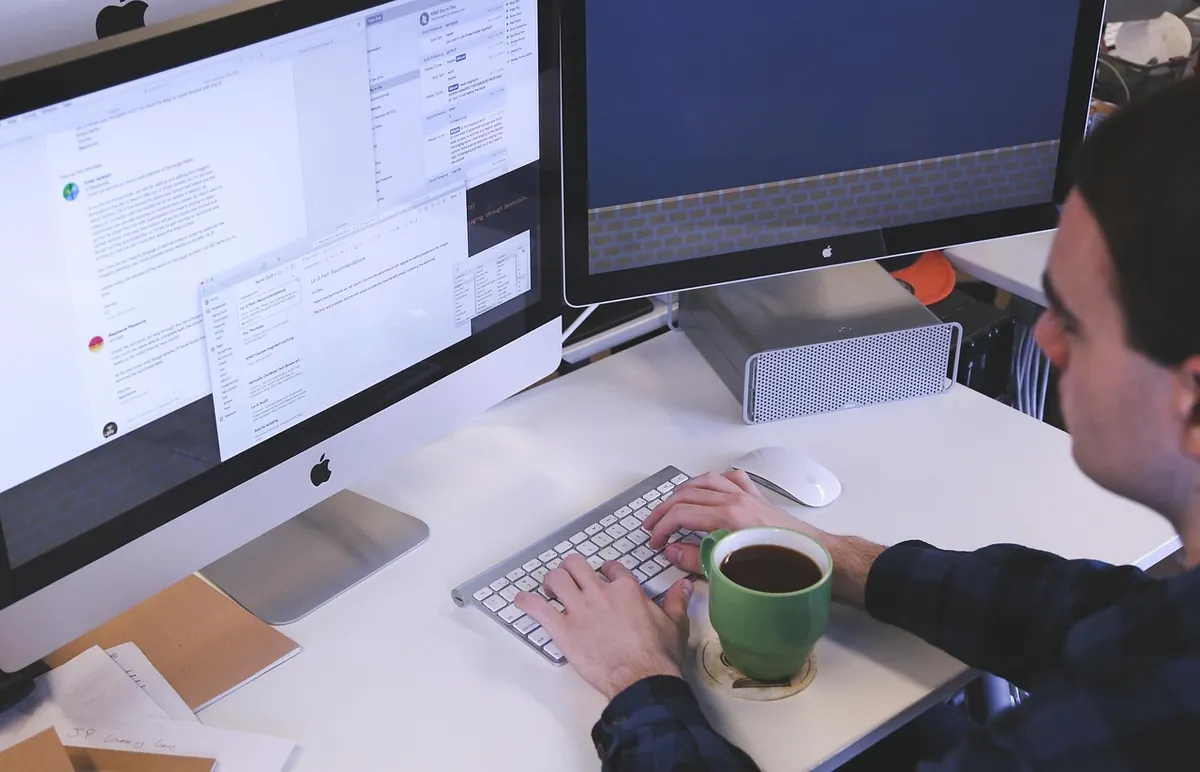
Photo: RonaldCandonga / Pixabay
Ten sketchbook habits from UK design studios that sharpen wireframing — from thumbnail sprints to failure logs —...

Low-fidelity prototypes are fast and invite honest feedback; high-fidelity ones test detail and win sign-off. Here's...
A practical, hour-by-hour guide to turning paper sketches into a clickable mobile prototype in a single focused day...

Sketching and wireframing for digital designers..